
Booked Through Instagram: The Power of Strategy in Action
Client Success Story: Direct Bookings through Instagram
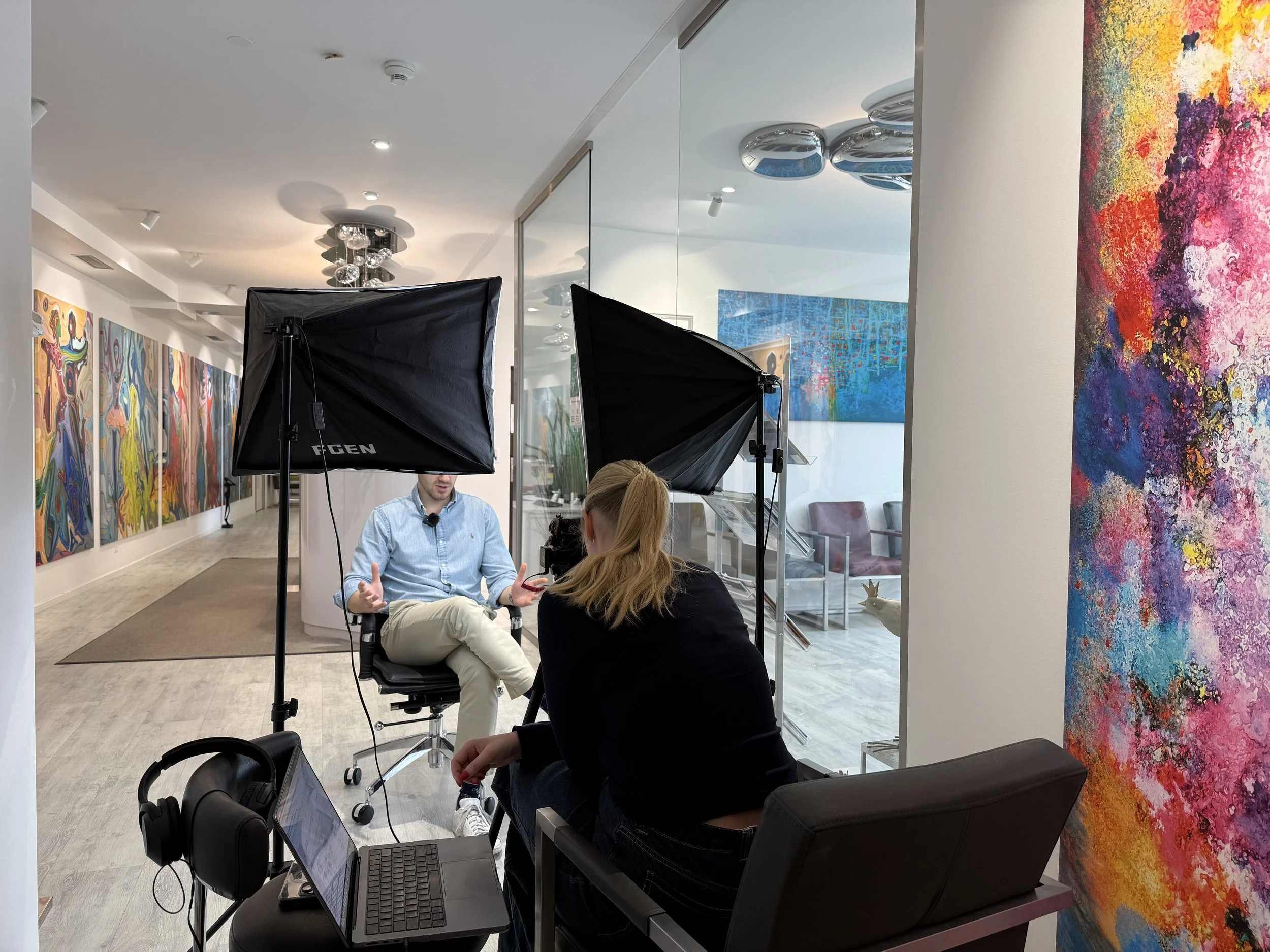
At JKV, we believe social media should do more than just look good, it should deliver measurable results. Our recent work with Dr Jeker Aesthetica, a pioneer in aesthetic medicine in Liestal, is a perfect example of exactly that.
Within just the first three weeks of taking over hus Instagram presence, the results were immediate and significant. The account’s following tripled, driven by a clear content strategy, consistent execution, and a refined visual direction tailored to the brand.
But growth in numbers was only part of the story.
Through targeted content and strategic positioning, Dr Jeker Aesthetica began receiving a high volume of client inquiries directly via Instagram, translating into thousands of francs worth of booked appointments. Social media didn’t just build visibility; it became a direct revenue channel.
Alongside these measurable results, the qualitative impact has been just as strong. Both clients and industry peers have responded with overwhelmingly positive feedback, particularly highlighting the elevated look and feel of the brand’s new social media presence.
This project reflects what happens when strategy, branding, and execution align: growth, engagement, and real business impact.
At JKV, that’s the standard.
Your Competitors Aren’t Better — They’re Just Visible
The Hidden Danger of Dismissing Social Media in Real Estate.
A few months ago, we were sitting across from the owner of a respected real estate company — polished, experienced, confident, the kind of person who’s weathered every shift the market ever threw at him.
He stirred his espresso, leaned back, and said the one sentence that has become the rallying cry of an industry that doesn’t realize it’s slipping into irrelevance:
“Social media? We don’t need that. We’re not trying to get followers.”
And that was the moment I knew he misunderstood what the game had become.
Because here’s the uncomfortable truth:
It’s not about followers. It’s about attention. And attention is the currency real estate is built on.
I thought about the young investor watching real estate breakdowns on TikTok between meetings.
About the relocating Roche family exploring agencies through Reels before contacting anyone.
About buyers finding their next home on Instagram long before a brochure ever reaches their mailbox.
The industry believes social media is a playground for influencers.
What they don’t see is that it’s become the most powerful discovery engine in the world — and the first stop for serious buyers.
When JKV Studio stepped in to rethink social media for this client, we didn’t focus on going viral.
We didn’t chase trends.
We didn’t try to inflate follower numbers.
We focused on strategy.
On intention.
On story.
On knowing exactly what the audience needed to feel before they clicked.
And then something happened that shocked even the client:
Within a few months of taking over their Instagram, three posts — just three — generated thousands of visits to specific property pages.
Not likes.
Not comments.
Not vanity metrics.
Actual traffic. Actual interest. Actual buyers entering the funnel.
All from content that was:
perfectly strategized
carefully curated
professionally shot
designed to convert, not entertain
This was the moment the client finally understood what we had seen all along:
Social media is not about followers.
It’s about driving real business outcomes.
But the danger isn’t simply that real estate companies underestimate social media.
The real danger is believing that it’s optional.
Because the moment you decide it has “no value,” your future clients decide the same about you.
In that meeting room, the owner eventually admitted that inquiries had slowed.
Competition had grown.
Buyers felt farther away, harder to reach, harder to persuade.
Then he asked the question every business owner asks when the world starts moving faster than their strategy:
“Do you really think social media could change things for us?”
I didn’t sugarcoat it.
It doesn’t change things —
it saves them.
Social media has become the new storefront of real estate.
The place where trust forms.
Where desire is sparked.
Where decisions begin long before a buyer steps foot in a property.
Ignore it, and you don’t just risk falling behind.
You risk disappearing entirely.
JKV Studio didn’t just show what social media could do for real estate.
We proved what happens when you stop treating it as a hobby and start treating it as a strategic acquisition machine.
The most dangerous mindset in business is believing you don’t need something simply because you’ve survived without it.
The world has changed.
The buyers have changed.
The way they choose has changed.
The question isn’t whether real estate companies need social media.
The question is:
How much business are they losing by pretending they don’t?
Why We Told This Beauty Brand in Bern to Wait
The Risk of Cheap Social Media
A few months ago, an aesthetic brand reached out to us.
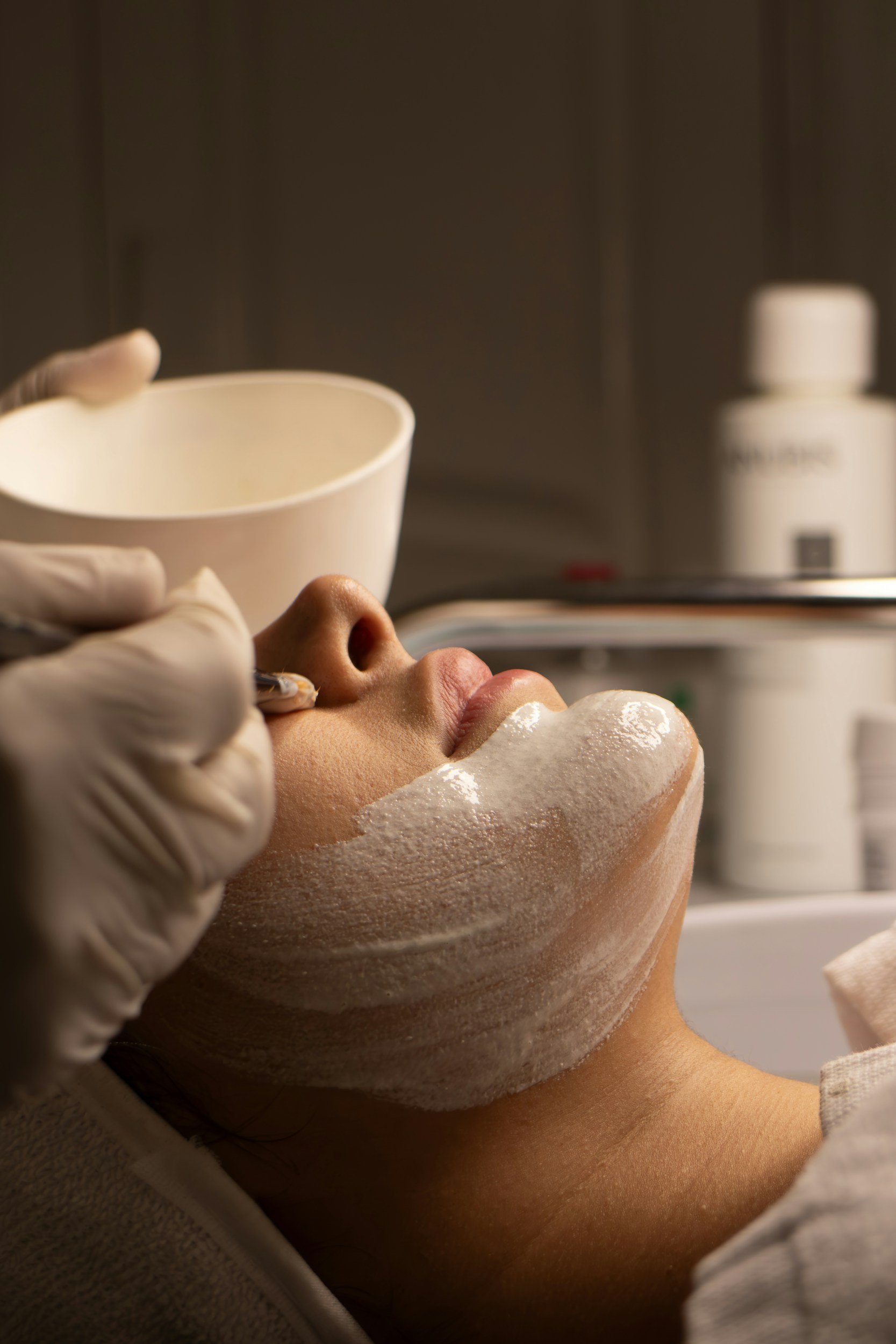
They wanted an “all-around” social media presence — Instagram, TikTok, the works. Their clients were online. They assessed and booked treatments based on how the brand positioned itself.
In beauty, unlike other industries, there’s no margin for trial and error. If your branding, your content, your look doesn’t convince, you lose customers — fast. Every post, every story, every Reel carries weight.
We dove into the conversation. The founder wanted a luxury presence, the kind that radiates elegance, sophistication, and trust. But there was a catch: he was only willing to invest the bare minimum because social media was still a “risk” in his eyes.
We assessed the situation, and it became clear. This wasn’t going to work. Not if he wanted to maintain the image he envisioned. Not if he wanted his social media to actually convert clients.
So we did something most agencies wouldn’t dare: we told him no.
We offered a very generous startup package, but we also recommended he do nothing on his socials — not with us, not with anyone else — until he was ready to invest properly.
Why? Because bad social media is worse than no social media.
It’s easy to think posting anything is better than nothing. It’s easy to chase “visibility” or “followers.” But in sectors like beauty, social media is credibility. It’s your reputation on display. The wrong positioning, the cheap-looking content, the inconsistent brand image — it doesn’t just fail to attract clients, it repels them.
We told him exactly that: “Launching now, with what you’re willing to invest, will cost you far more than you think. You’ll risk positioning yourself as an amateur in front of clients who judge you instantly.”
The twist? He thanked us.
He appreciated our honesty, our willingness to put quality over quantity. He realized that a smart “no” today could save thousands of lost bookings tomorrow.
At JKV Studio, this is exactly what we stand behind. We believe in quality over quantity, always. “Better done than perfect” applies in most business areas — but not in social media. In this space, mistakes aren’t just mistakes: they’re lost clients.
The lesson is simple: if you’re not ready to do social media properly, don’t do it at all. Wait. Prepare. Invest. Because when your brand is on display, every post is a promise — and every broken promise costs more than you think.
How a Single Shoot Can Keep Your Social Media Running for Months
One Day, Three Months of Content: How Smart Planning Beats Random Filming
I’ll never forget the day we set out to do a full content shoot for a client who lives over five hours away from Basel.
They had a clear goal: a consistent, high-quality presence on Instagram and TikTok. Their brand needed to look polished, cohesive, and professional — because in their industry, every post is a first impression. But like many businesses, they’d struggled with scattered filming sessions, last-minute content, and the constant stress of keeping social media alive.
So we proposed something different: one day, all in, fully planned.
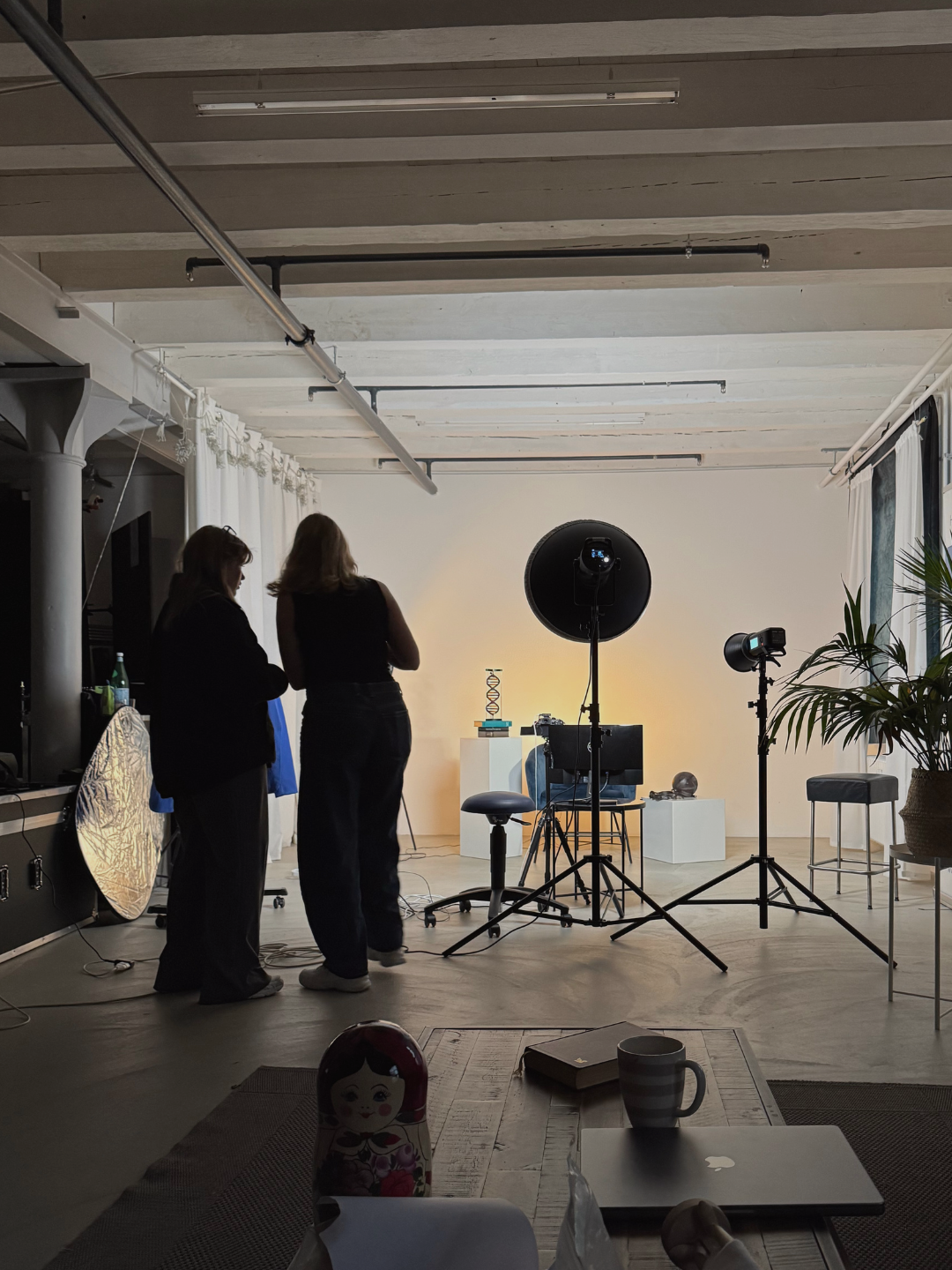
In the weeks before the shoot, we spent hours mapping out every detail. What content did the brand need for the next three months? Which stories should be told first? How could each clip and photo be repurposed across multiple platforms? We storyboarded, scheduled, and strategized so that when the day came, everything had a purpose.
The shoot itself was intense — and, as always, a few things didn’t go exactly as planned. A location wasn’t perfect, timing got tight, and we had to improvise in the moment. But this is where experience makes all the difference. Knowing what to shoot, how to shoot it, and how to capture content that can be stretched over months isn’t something you can learn in a day. It comes from years of observing what works, understanding audiences, and translating that into visuals that feel effortless but actually perform.
By the end of that single day, we had captured enough content to cover almost three months of social media. Every clip, every photo, every story was ready to go. The brand could post consistently, keep a cohesive aesthetic, and engage their audience — without scrambling for new material every week.
The lesson? Social media isn’t about posting more. It’s about posting smarter.
Random filming sessions feel productive, but they rarely produce results.
A single, well-planned day of shooting can give you more content, more consistency, and more impact than weeks of scattered effort.
For businesses, especially those far from the heart of where they want to be seen, this approach is transformative. It saves time, reduces stress, and ensures every piece of content reinforces the brand — instead of diluting it.